English
 中文简体
中文简体 Español
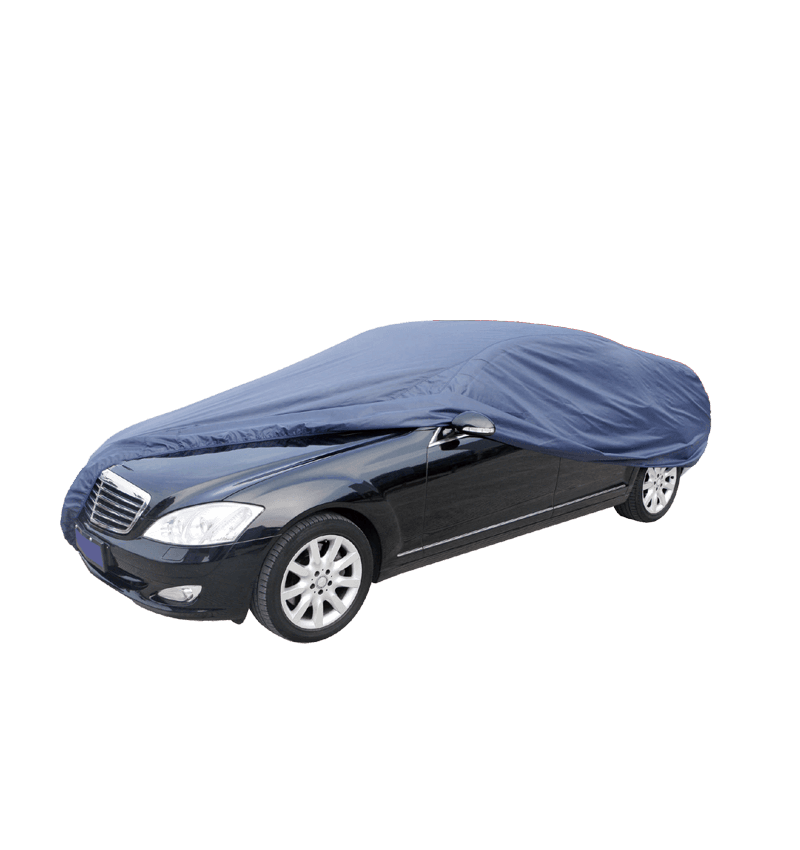
A car cover plays a vital role in safeguarding your car from sun damage, dust, and adverse weather conditions. However, many car owners overlook a crucial factor: the potential risks of moisture accumulation and rust formation when using these protective solutions. While car covers are designed to shield your vehicle, improper usage or unsuitable materials can unintentionally create problems that compromise your car’s appearance and longevity.
1. Moisture Trapping Risks
One of the main issues with car window shade cover is that, if not ventilated properly, it can trap moisture inside. Condensation can occur when warm air inside the car meets the cooler cover material, especially in outdoor environments. Over time, this trapped moisture may result in corrosion on metal surfaces, including door frames, window edges, and other parts of the vehicle prone to rust. Even outdoor car cover options, while protective against rain, may still allow water accumulation underneath if the fit is too tight or the material is non-breathable.
Use covers with built-in ventilation flaps or breathable fabrics.
Avoid covering a wet car with a window shade or outdoor cover immediately.
Regularly remove the cover to allow the vehicle to dry naturally.
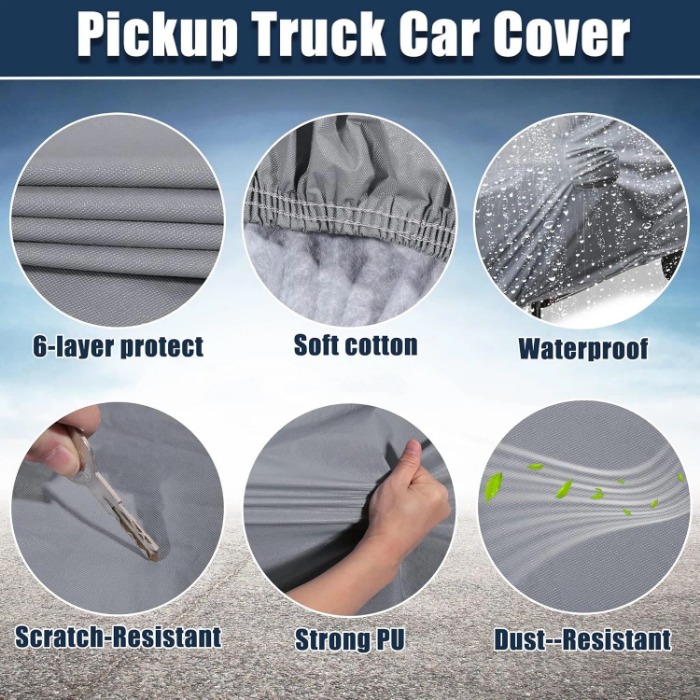
2. Material Selection Matters
Not all car covers and window shade covers are created equal. Some low-cost products use non-breathable plastics or fabrics that prevent airflow, which can worsen the problem of moisture buildup. Zhejiang Mingfeng Industrial Co., Ltd. emphasizes that high-quality car window shade cover and outdoor car cover should use materials that allow air circulation while still repelling water and dust. Common options include:
Multi-layer fabric with waterproof top and soft inner lining
Breathable polyester or polypropylene blends
UV-resistant coatings to prevent interior damage
Choosing the Correct material is critical to avoid creating an environment where rust and mold can develop.
3. Proper Fit and Installation
Even the nicely materials cannot prevent moisture problems if the cover does not fit your car properly. A cover that is too tight can trap water against the body panels, while a cover that is too loose may flap in the wind, rubbing against the paint and creating scratches. When using car window shade cover in conjunction with a full outdoor car cover, ensure that:
The shade is securely attached but not pressing against wet surfaces
Outdoor covers are sized correctly for your car model
Tie-downs or straps are used to keep the cover stable without over-tightening
4. Regular Maintenance
Car covers require care just like your vehicle. Moisture and dust can accumulate on the cover itself, which may then transfer to the car if left unchecked. Recommendations include:
Wash and dry covers periodically
Inspect for tears or holes that allow water to seep in
Store in a dry, cool place when not in use
5. Seasonal Considerations
Seasonal weather variations also influence moisture and rust risks. In humid summers or rainy seasons, car window shade cover can trap condensation faster. During winter, snow and ice on an outdoor car cover can create melting water that penetrates poorly ventilated covers. Adapting your cover usage to seasonal conditions ensures the benefit while reducing the risk of damage.
Zhejiang Mingfeng Industrial Co., Ltd. continues to innovate high-quality car protection solutions that balance coverage, breathability, and durability, offering car owners reliable protection for every season.