English
 中文简体
中文简体 Español
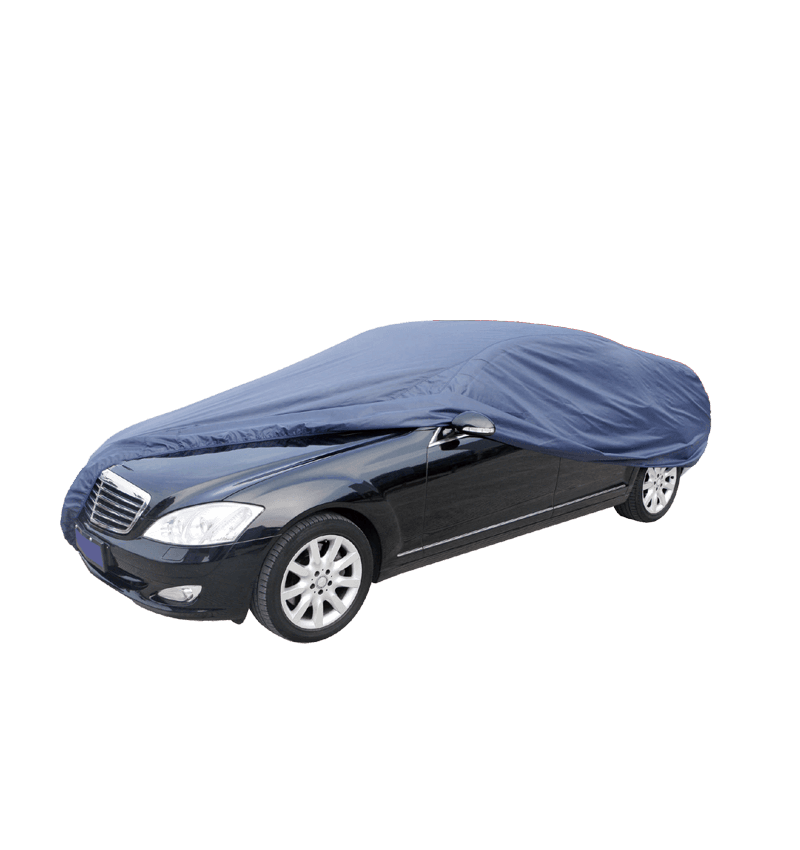
When buying wholesale car covers, understanding the right material to use is essential. The material not only affects durability but also determines how well the cover protects against various environmental factors. For sedan cover suppliers, selecting the appropriate fabric is a key factor in meeting customer needs and ensuring long-term satisfaction.
Choosing the right material ensures that the car cover provides protection against UV rays, rain, snow, dust, and scratches. At Manful Industrial, we provide a variety of materials tailored for different usage scenarios, helping businesses and vehicle owners select the more suitable option.
Common Materials for Car Covers
1. Polyester
Polyester is one of the more widely used materials for car covers due to its lightweight nature and resistance to shrinking. Polyester covers are generally water-resistant, offering reliable protection against light rain and dust.
Advantages:
Durable and long-lasting
Lightweight, easy to handle and store
Good resistance to UV rays
Use Cases:
Ideal for indoor storage and areas with mild weather conditions.
2. PEVA
PEVA is a non-toxic, eco-friendly alternative to PVC. It is waterproof and provides outstanding protection against rain and snow. PEVA covers are lightweight yet durable, making them suitable for vehicles stored outdoors.
Advantages:
Fully waterproof
Non-toxic and environmentally friendly
Lightweight and easy to fold
Use Cases:
good for regions with frequent rainfall or snow, as it prevents moisture from reaching the vehicle surface.
3. Oxford Fabric
Oxford fabric is a heavy-duty material often used for outdoor car covers. It is abrasion-resistant and can endure harsh weather conditions, including wind, dust storms, and UV exposure.
Advantages:
Strong and resistant to tears
outstanding weatherproof properties
Long lifespan even with regular outdoor exposure
Use Cases:
Best suited for long-term outdoor storage or commercial fleets that require continuous protection.
4. Cotton
Cotton is breathable and gentle on vehicle paint, making it ideal for indoor storage. It prevents scratches from friction and allows air circulation to avoid condensation.
Advantages:
Breathable and soft on paint
Reduces condensation under cover
Lightweight and flexible
Limitations:
Not suitable for outdoor use as it offers minimal water resistance.
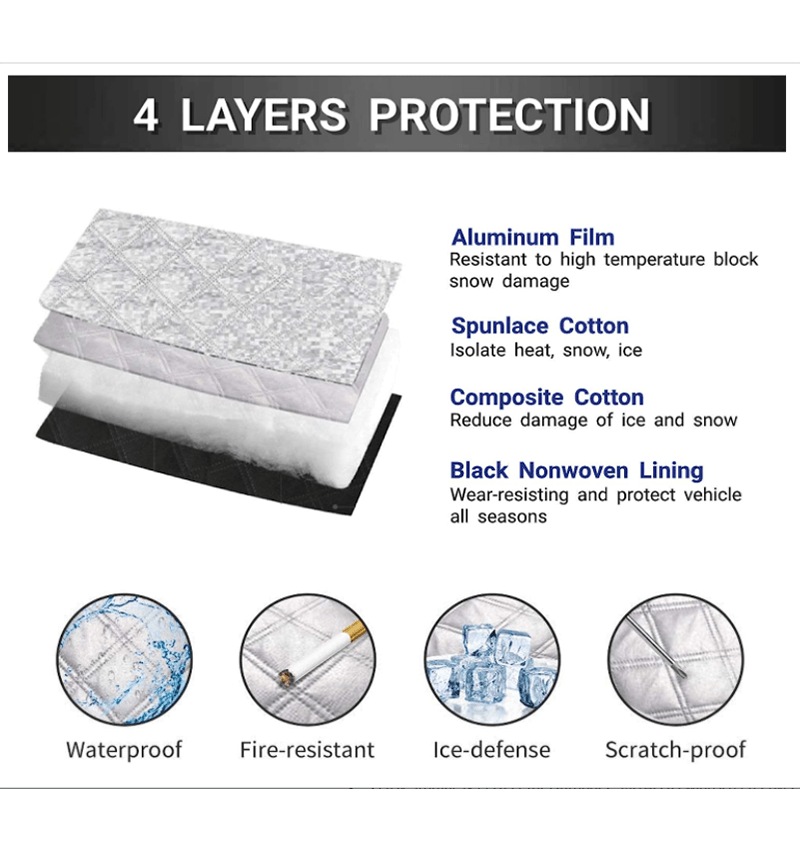
5. Multi-Layer Materials
Some car covers feature multi-layer designs that combine the benefits of different fabrics. For example, an inner layer of soft cotton for paint protection, a middle layer for water resistance, and an outer layer of Oxford fabric for durability and UV protection.
Advantages:
Comprehensive protection against multiple elements
Minimizes risk of scratches, fading, and weather damage
Often includes reinforced stitching for extra strength
Use Cases:
Ideal for high-end vehicles or areas with variable and harsh climates.
Additional Considerations When Selecting Material
Breathability
A car cover must allow air to pass through to prevent moisture accumulation. Excessive moisture can cause mold or corrosion, particularly when the vehicle is stored outdoors. Materials like cotton blends and PEVA-coated fabrics offer a good balance between water resistance and breathability.
UV Resistance
Continuous exposure to sunlight can fade vehicle paint and damage interiors. Materials with built-in UV protection are crucial for outdoor use. Oxford fabric and treated polyester are outstanding choices in this regard.
Durability vs. Flexibility
While heavy-duty materials like Oxford fabric offer durability, they can be less flexible, making installation slightly harder. Lighter materials, like polyester or PEVA, are easier to manage but may not last as long under harsh conditions.
Eco-Friendliness
Sustainable materials such as PEVA or recycled fabrics are becoming increasingly popular. They provide effective protection while minimizing environmental impact.
At Manful Industrial, we combine our decades of experience with a commitment to quality, helping clients source car covers that provide reliable protection, durability, and value. Now that you understand the material options, you can choose covers that will protect vehicles effectively against weather, dust, and scratches, ensuring longevity and customer satisfaction.