English
 中文简体
中文简体 Español
When evaluating proposals or selecting products from Motorcycle Cover Manufacturers, you’ll want to understand deeply what makes a good Motorcycle Covers design truly effective.
1. Material & Fabric Technology
Denier, Weave & Weight
One of the foundational decisions in motorcycle cover manufacturing is fabric selection. The “denier” rating of fibers (e.g. 210D, 300D) is a common metric of thread thickness and durability. Higher-denier fabrics tend to resist tearing better but may cost more and weigh more.
The weave—tightness and pattern of threads—also affects how well the fabric resists dust, debris, and abrasion.
Coatings & Treatments
Beyond the base fabric, coatings or laminations play a critical role:
Water-repellent or waterproof coatings make water bead and roll off the surface.
UV-resistant additives or reflective coatings help block sun damage and fading.
Breathable membranes (or microporous layers) let internal moisture escape while blocking external moisture.
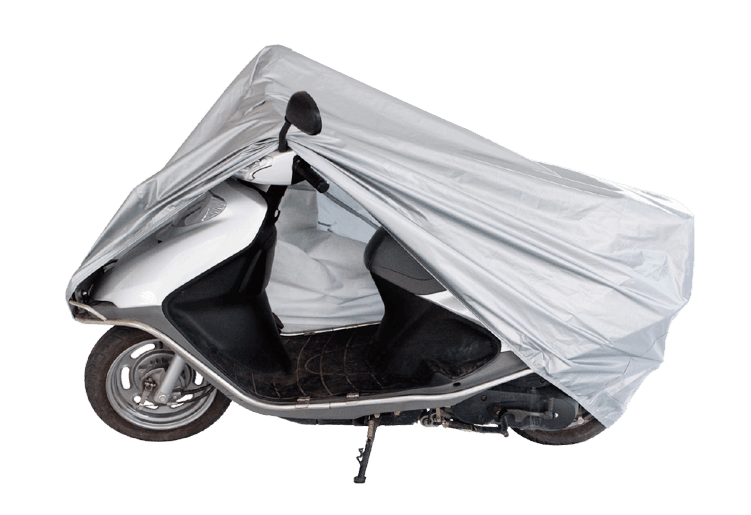
2. Seams, Stitching & Reinforcements
A cover is only as strong as its weakest seam.
Double stitching or taped seams prevent water ingress at joints.
Bar-tack stitching at high-stress points (mirrors, handlebars, footpegs) offers extra durability.
Reinforced patches on areas prone to abrasion—like exhaust, wheels, or chain—help prevent wear-through over time.
3. Secure Fit & Retention Features
A well-fitting cover must stay put, even in wind or storms. Motorcycle Cover Manufacturers often incorporate:
Elastic hems, especially along the bottom edges
Adjustable straps / buckle systems that wrap under the bike
Cable-lock loops or lockable points so riders can thread a security cable
Anchor points or harness loops that fasten to fixed parts of the bike
These features help the Motorcycle Covers resist uplift and shifting.
4. Breathability & Ventilation
One of the more asked-about issues is moisture and condensation under the cover. Without adequate venting, a cover that looks waterproof may ironically trap water inside, causing to rust or mold formation.
To combat this, manufacturers often include:
Mesh vents or air vents strategically placed
Floating flaps that allow air exchange but block rain
Inner breathable lining that helps wick internal moisture
5. Hot Exhaust & Heat Resistance
A persistent user concern is whether it’s safe to drape the cover over a still-warm bike. Some riders worry about melting, scorching, or damage to both the cover and bike.
Smart Motorcycle Cover Manufacturers mitigate this by:
Designing covers with heat-resistant panels over exhaust zones
Using materials that can tolerate moderate heat (e.g. 170 °C or more) in those zones
Specifying in instructions that one should wait a short time after riding before fully securing the cover
These precautions help maintain both cover and bike integrity.
6. Durability, Longevity & Warranty
A cover must last through seasons. Key durability factors include:
Fade resistance (resistance to UV breakdown)
Tear and abrasion resistance
Colorfastness (so dyes don’t bleed or fade unevenly)
Hardware quality—buckles, zippers, straps should resist corrosion
Warranty and repair policies from manufacturers: offering replacements or patches shows confidence in product quality
Manufacturers often test covers under accelerated aging to simulate sun, wind, and rain exposure.
7. Usability & Convenience Features
Even a rugged, high-protection cover must be user-friendly to see wide acceptance. Features that elevate usability include:
Quick-release straps or elastic corners for fast on/off
Foldable compact storage bag for portability
Color-coded panels or markings to help orient correct placement
Mirror pocket holes or cutouts (for mirrors or handlebars) for snug fit
Lock holes to thread security cables
Integrated tags or size labels for ease of ordering replacements
These thoughtful additions enhance customer satisfaction.