English
 中文简体
中文简体 Español
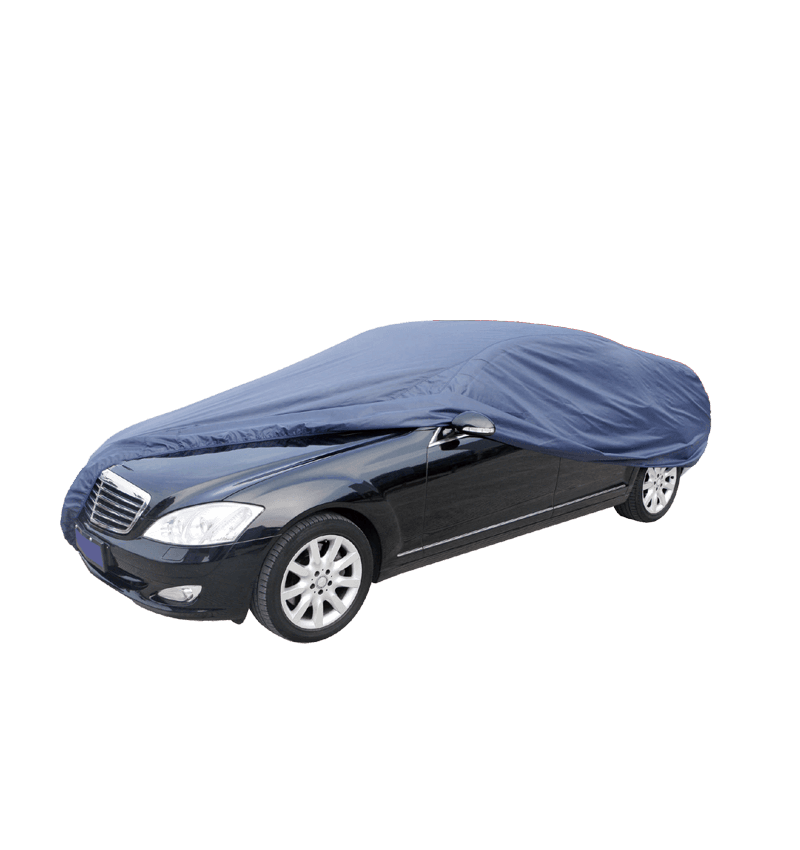
Using car cover is a common practice among car owners who want to protect their vehicles from sunlight, dust, debris, and other environmental hazards. While these protective solutions are generally effective, many car owners worry that using a car cover may inadvertently scratch or damage their paint. Scratches can occur due to poor materials, improper installation, or external factors such as wind and dust.
1. Material Surface and Inner Lining
The material of your outdoor car cover plays a critical role in preventing scratches. Covers with rough or non-lining surfaces can create friction against the vehicle, especially when dust, dirt, or sand particles are trapped between the car and the cover. Car window shade cover, while designed for windows, may also have edges or hard components that can press against paint surfaces if not handled carefully.
Look for covers with soft, non-abrasive inner linings
Multi-layer fabrics with soft microfiber layers reduce the risk of scratches
Avoid plastic-coated covers that are prone to sticking or scraping

2. Cleanliness Before Applying the Cover
Many scratches are caused by particles trapped under the cover rather than the cover itself. Even a small amount of dust, sand, or grime can act like sandpaper when the cover moves slightly. Proper cleaning is essential:
Wash and dry your car thoroughly before applying the outdoor car cover.
Shake or wipe the cover to remove accumulated dirt or debris.
Check car window shade cover components such as edges and frames to ensure no hard or sharp parts are in contact with the paint.
3. Ensuring Proper Fit and Stability
The correct fit of your outdoor car cover can significantly reduce the risk of scratches. Covers that are too loose may flap in the wind, causing friction and abrasion. Conversely, overly tight covers can press against certain vehicle parts, especially protrusions or uneven surfaces, increasing the risk of scratches.
Choose a cover designed specifically for your vehicle model.
Use adjustable straps or drawstrings to secure the cover firmly without over-tightening.
Ensure that car window shade cover fits snugly on windows without creating pressure points.
4. Environmental Factors
Environmental conditions can amplify the potential for scratches when using car covers. Dusty, sandy, or windy locations pose a higher risk of abrasion. Rain or dew can stick particles to the cover, which may scratch the paint during removal. To minimize environmental risks:
Use breathable, water-resistant materials to allow airflow while repelling moisture.
Avoid leaving the cover on during winds or dust storms.
Consider additional protective layers if parking in areas prone to falling debris.
5. Regular Maintenance of Covers
Maintaining your outdoor car cover and car window shade cover ensures long-term protection and prevents scratches:
Wash the cover regularly according to manufacturer instructions.
Inspect for wear, rough patches, or accumulated dirt before each use.
Replace worn or damaged covers that may compromise the car’s surface protection.
Store covers in a dry, clean environment when not in use to prevent material degradation.
6. Added Benefits of High-Quality Covers
High-quality covers not only prevent scratches but also protect against UV damage, rain, dust, and bird droppings. Zhejiang Mingfeng Industrial Co., Ltd. designs covers with features such as:
Soft inner lining to prevent abrasion
Reinforced edges to prevent tearing in wind
Breathable fabrics to reduce moisture buildup
Adjustable fit for a secure and safe installation
These features ensure your vehicle remains protected without any compromise to its paintwork.
Zhejiang Mingfeng Industrial Co., Ltd. continues to develop innovative car protection solutions that balance durability, safety, and convenience, helping car owners preserve their vehicles’ appearance and value.