English
 中文简体
中文简体 Español
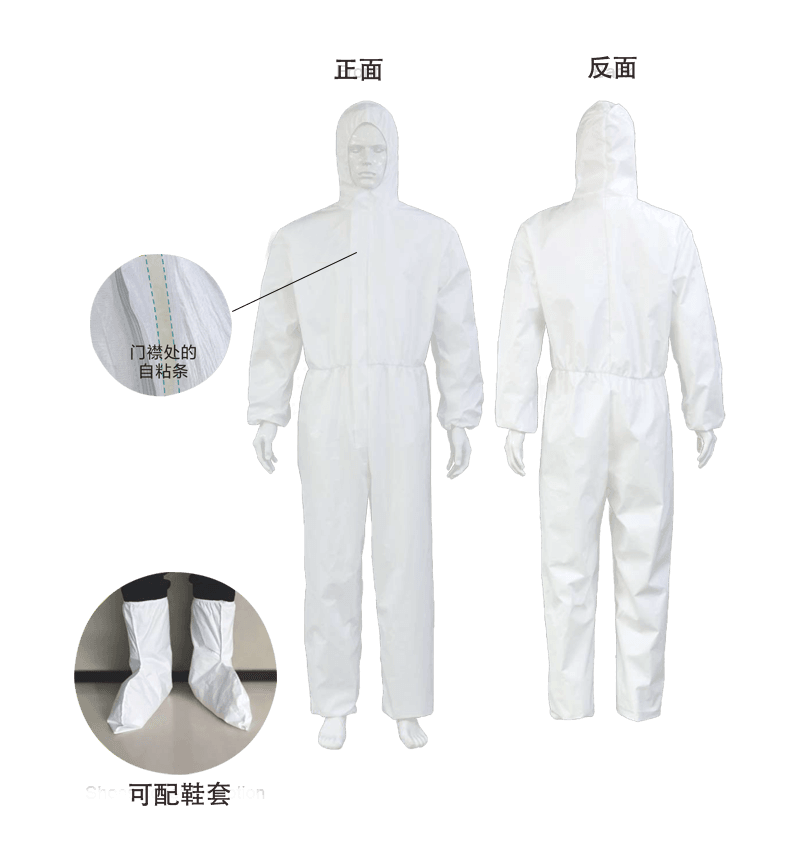
A notable development in workplace safety in the past years has been the incorporation of smart technology into personal protective equipment (PPE). As a renowned protective coveralls factory, we recognize the importance of staying at the forefront of these innovations to enhance worker protection and operational efficiency.
The Emergence of Smart PPE
Traditional PPE has long been the standard for safeguarding workers against physical hazards. However, the advent of smart wearables has introduced a new dimension to safety gear. These advanced devices incorporate Internet of Things (IoT) sensors, artificial intelligence (AI), and real-time data analytics to monitor and respond to environmental and physiological conditions. For instance, smart helmets equipped with sensors can detect hazardous gases and alert workers immediately, while wearable devices can track vital signs such as heart rate and body temperature, providing real-time health data to supervisors.
Enhancing Worker Safety Through Technology
The primary objective of integrating smart technology into PPE is to proactively identify and mitigate risks. Wearables can monitor fatigue levels, detect falls, and even predict potential health issues before they become critical. This proactive approach allows for timely interventions, reducing the likelihood of accidents and improving overall safety standards.
The Role of AI and IoT in PPE
Artificial intelligence and the Internet of Things play pivotal roles in the functionality of smart PPE. AI algorithms analyze data collected from various sensors to identify patterns and predict potential hazards. IoT connectivity ensures that this data is transmitted in real-time to central monitoring systems, enabling immediate response to any anomalies. This synergy between AI and IoT enhances the effectiveness of PPE, making it not just a passive protective measure but an active component in workplace safety.
Benefits Beyond Safety
While the primary focus of smart PPE is to enhance safety, these innovations also offer additional benefits. For example, real-time health monitoring can cause improved worker well-being by identifying health issues early. Moreover, the data collected can be analyzed to optimize work processes, resulting to increased efficiency and productivity. By embracing these technologies, companies can foster a safer and more productive work environment.
Challenges and Considerations
Despite the advantages, the adoption of smart PPE comes with challenges. The initial cost of implementing these technologies can be significant, and there may be resistance from workers due to concerns about privacy and data security. Additionally, integrating these advanced systems into existing infrastructure requires careful planning and training. However, the long-term benefits, including reduced accident rates and improved worker health, often outweigh these initial hurdles.
The Future of Smart PPE
The future of PPE lies in continuous innovation and integration of emerging technologies. As advancements in AI, IoT, and wearable technology progress, the capabilities of smart PPE will expand, offering even greater protection and efficiency. At Manful Industrial, we are committed to staying at the forefront of these developments, ensuring that our products not only meet current safety standards but also anticipate future needs.
The integration of smart wearables into PPE represents a significant leap forward in workplace safety. By embracing these innovations, companies can provide enhanced protection for their workers, improve operational efficiency, and stay ahead in an increasingly competitive market. As a trusted protective coveralls factory, Manful Industrial is dedicated to delivering cutting-edge solutions that prioritize safety and well-being.