English
 中文简体
中文简体 Español
As industries worldwide strive for sustainability, the Personal Protective Equipment (PPE) sector is embracing eco-friendly materials and practices. At Manful Industrial, a famous protective coveralls factory, we are committed to integrating sustainable solutions into our manufacturing processes to reduce environmental impact and promote worker safety.
The Shift Towards Sustainable PPE
Traditional PPE has often been associated with single-use plastics and non-biodegradable materials, contributing to significant environmental waste. However, recent advancements have led to the development of PPE made from biodegradable plastics, organic fibers, and recycled materials. For instance, biodegradable masks made from plant-based polymers break down more quickly than traditional synthetic masks, reducing long-term waste. Similarly, gloves and gowns made from recycled polyester and organic cotton help minimize the environmental footprint of PPE manufacturing.
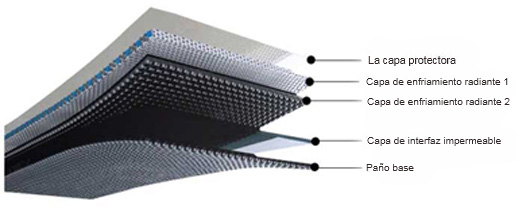
Benefits of Sustainable PPE Materials
1. Environmental Impact Reduction
Using biodegradable and recyclable materials in PPE helps decrease the accumulation of waste in landfills and reduces pollution. Materials such as recycled PET bottles and organic cotton are renewable and have a lower environmental impact compared to conventional synthetic fibers.
2. Enhanced Worker Safety
Sustainable materials often have improved breathability and comfort, which can enhance worker compliance and overall safety. For example, workwear made from recycled polyester and cotton blends offers durability while maintaining comfort, encouraging consistent use among workers.
3. Cost-Effectiveness
Although the initial cost of sustainable PPE may be higher, the long-term benefits include reduced waste disposal costs and potential savings from reusable options. Reusable PPE, such as gowns and gloves designed for multiple uses, can significantly cut down on the need for frequent replacements, resulting in to cost savings over time.
Challenges in Adopting Sustainable PPE
Despite the advantages, several challenges hinder the widespread adoption of sustainable PPE:
Higher Initial Costs: Eco-friendly materials can be more expensive, posing budget constraints for some organizations.
Durability Concerns: Some sustainable materials may not match the durability of traditional PPE, raising questions about their effectiveness in hazardous environments.
Supply Chain Limitations: The availability of sustainable materials can be inconsistent, affecting production timelines and reliability.
Addressing these challenges requires collaboration between manufacturers, suppliers, and regulatory bodies to develop standards and incentives that support the transition to sustainable PPE.
The Future of Sustainable PPE
The future of PPE lies in continuous innovation and the adoption of sustainable practices. Advancements in material science are contributing to the development of stronger, more durable eco-friendly materials that do not compromise on safety. For example, the use of plant-based nylon and biodegradable composites is gaining traction in various industries.
At Manful Industrial, we are dedicated to staying at the forefront of these developments. Our commitment to sustainability is reflected in our ongoing efforts to integrate eco-friendly materials into our protective covers and workwear products. By embracing these innovations, we aim to provide our clients with high-quality, environmentally responsible PPE solutions.
The integration of sustainable materials in PPE manufacturing is not just a trend but a necessary step toward a more eco-conscious and health-focused industry. By adopting biodegradable, recyclable, and renewable materials, companies can reduce their environmental impact, enhance worker safety, and achieve long-term cost savings. As a trusted protective coveralls factory, Manful Industrial is committed to paving the way in sustainable PPE manufacturing, ensuring that our products meet high standards of quality and environmental responsibility.